
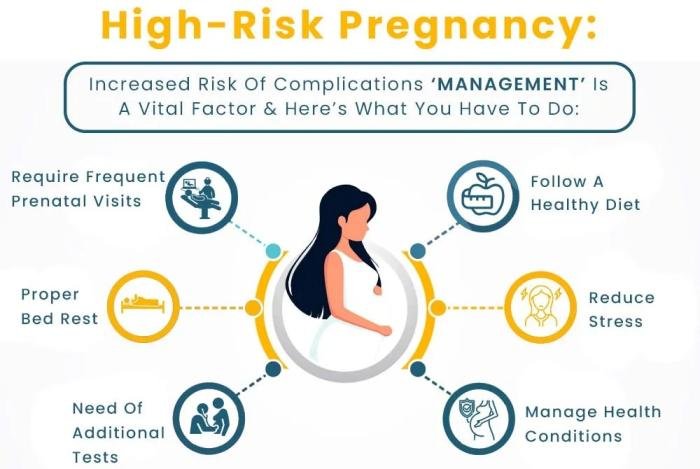
What Is a High-Risk Pregnancy?
A pregnancy is considered high-risk when the mother, baby, or both face a higher chance of complications.
Maternal Factors:
- Age <18 or >35
- Obesity or underweight
- Pre-existing diabetes or hypertension
- Thyroid disorders
- Kidney or liver disease
- Autoimmune diseases like lupus
- Heart disease
- Infertility treatments (IVF pregnancy)
- Previous cesarean section or uterine surgery
Pregnancy-Related Factors:
- Gestational diabetes
- Pregnancy-induced hypertension
- Preeclampsia and eclampsia
- Multiple gestation (twins, triplets)
- Placenta previa or placental insufficiency
- Preterm labor
- Fetal growth restriction
- Recurrent pregnancy losses
These conditions require close and continuous supervision, where telemedicine provides remarkable support.
CUSTOMIZATION IS THE KEY!
Every high-risk pregnancy does not require the same type of care.
The cause that makes it high risk determines what needs to be monitored, when it should be monitored, and how frequently.
- Women with multiple previous abortions, advanced maternal age, diabetes, or high BP require strict surveillance early in pregnancy.
- Diabetes and hypertension require even stricter monitoring during the latter half of pregnancy.
The first visit should always include detailed counselling about risks and the required monitoring plan.
Subsequent visits can be a combination of virtual consultations and physical check-ups, depending on the patient’s condition.
Why Telemedicine Matters in High-Risk Pregnancy
Telemedicine is not just online consultation—it is a complete digital healthcare ecosystem offering:
- Remote monitoring
- Virtual follow-ups
- Laboratory guidance
- Emergency triage
- Patient awareness & education
Key Benefits of Telemedicine in High-Risk Pregnancy
1. Reduced Need for Frequent Travel
High-risk pregnancies often need weekly or bi-weekly check-ups.
With teleconsultation:
- Follow-ups can be done virtually
- Vital signs can be shared digitally
- Reports can be uploaded instantly
- Emergency guidance is available 24/7
This is especially helpful for women living in rural or semi-urban areas with limited access to specialists.
2. Safer Monitoring With Reduced Hospital Exposure
Women with anaemia, hypertension, immune disorders, or chronic diseases are more vulnerable to infections. Telemedicine helps minimise unnecessary hospital visits by enabling:
- Routine antenatal follow-ups
- Adjustment of medications
- Review of sugar or BP logs
- Early identification of danger signs
3. Early Detection of Complications Through Remote Monitoring
Remote monitoring tools have made high-risk pregnancy management more proactive.
Common Digital Tools Used:
- Smart BP machines (automatic BP logs shared via apps)
- Digital glucometers
- Fetal monitoring apps
- Wearable health devices